Are you of legal drinking age in your country?
By clicking YES, you confirm that you are of legal drinking age in your country of residence.
You must be of legal drinking age to enter this website.
 
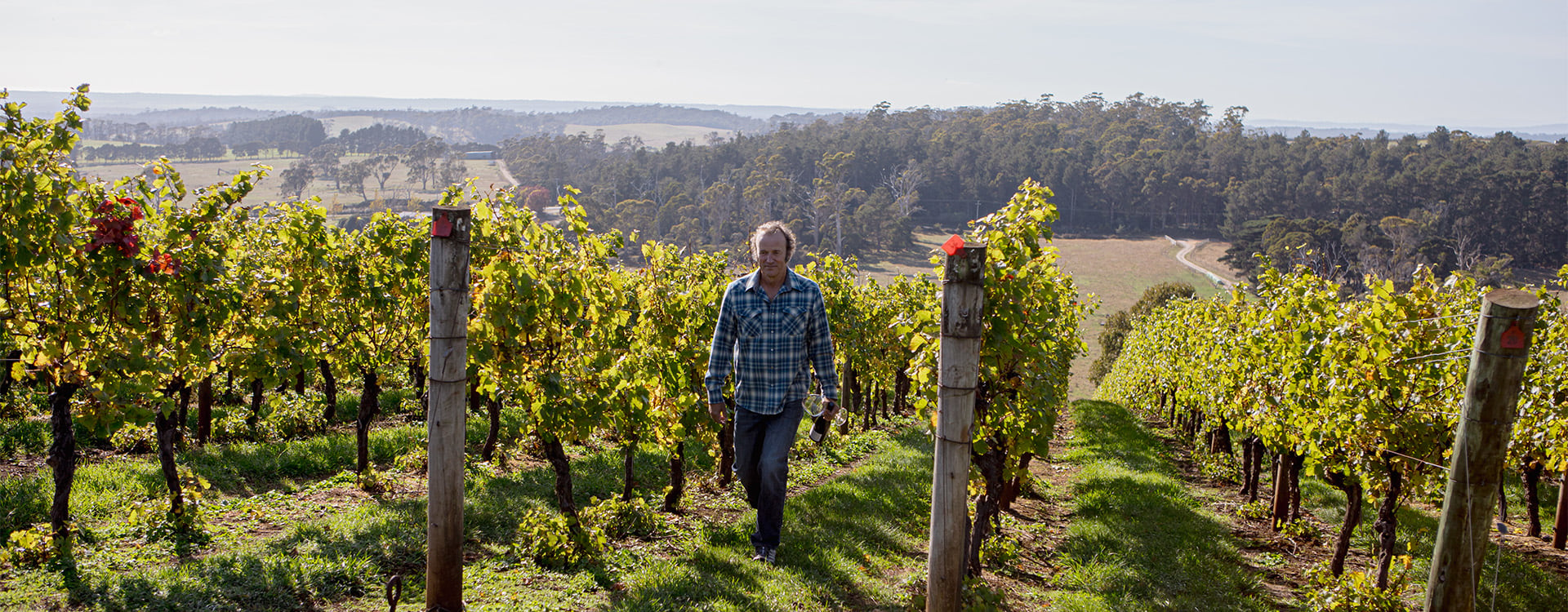
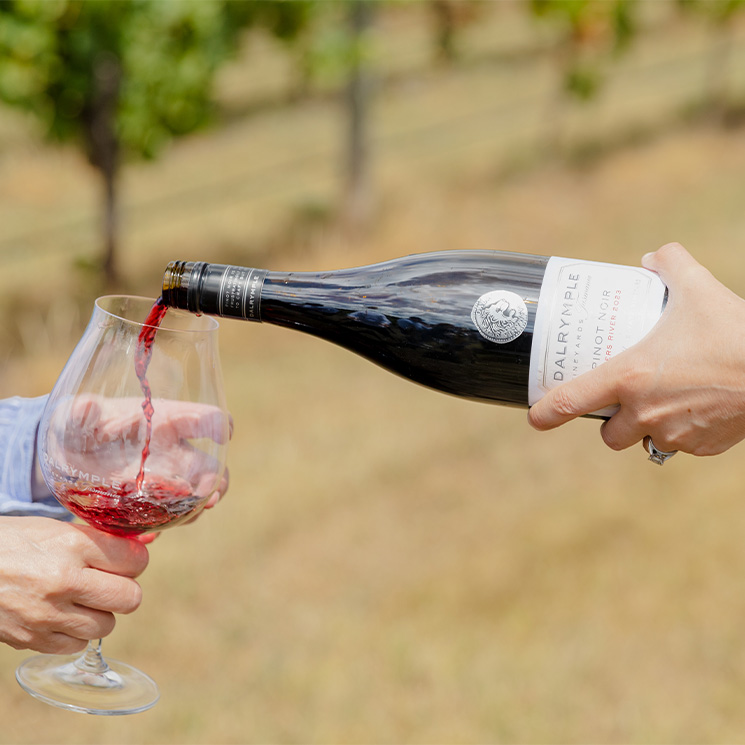
Vigneron Peter Caldwell walking through our pipers river vineyard, with Bottle and Glass of Single Sites Pipers River Pinot Noir in hand.

Pipers River Single Site Wines: Dalrymple’s Home Ground

Tasmania may be one official wine region, but it is far from one uniform place. Across the island, differences in rainfall, wind, soil, altitude, aspect and temperature create vineyards that behave very differently from one another. Some sit inland, shaped by hot days, cold nights and stony soils. Others are close to the coast, moderated by sea breeze and long, cool ripening. Then there are sites like Pipers River: maritime, sheltered, gently sloping and central to the Dalrymple story. 
 
This is the purpose of Dalrymple’s Single Site wines. They are not simply expressions of Tasmania. They are expressions of specific Tasmanian places, each one revealing something different about the island’s vineyard story.


Pipers River carries an added significance. It is home to our estate vineyard, winery and tasting room. It is the place from which the Dalrymple story is most directly told, not through broad regional language, but through the details of one site: the slope of the land, the movement of air, the depth of the soil, the age of the vines and the way each vintage asks for a slightly different response. 


The vineyard is close to the cool waters of Bass Strait. Sea breezes move through the site, moderating vine growth and grape ripening. This cooling influence gives fruit time to build flavour slowly while retaining the fine natural acidity that sits at the heart of the Pipers River style.

The site is also protected by Dalrymple Hill, which shelters key blocks from cool north-westerly winds. That protection creates a slightly warmer microclimate within a cool maritime setting, helping the fruit reach flavour maturity while preserving freshness, shape and line. This balance is what makes Pipers River so compelling. It is cool, but not thin. It is bright, but not sharp. It is elegant, but not simple. At its best, it gives wines of perfume, texture, acidity, structure and quiet depth. 


What makes Pipers River different? 


Pipers River tells a different story from Dalrymple’s other Single Site vineyards. Where Ouse is inland, isolated and structurally driven, Pipers River is maritime and finely tuned. Where Coal River Valley and Mt. Lord speak through their own southern Tasmanian conditions, Pipers River is shaped by the north east: Bass Strait, coastal air, long ripening and deep basalt-derived soils. 
 
The growing environment here is built around moderation. Bass Strait’s cooling influence slows the pace of ripening. The long growing season allows flavour to develop gradually. Cool nights help retain natural acidity. The vineyard’s easterly aspect captures morning light, while the surrounding landscape provides protection and airflow. 
 
The result is a site that can produce Chardonnay with energy, concentration and length, and Pinot Noir with perfume, savoury detail, silky tannin and cranberry freshness.  This is why Pipers River is not just a location on the label. It is a clear stylistic signature. For Chardonnay, that signature shows in citrus, nectarine, texture, natural acidity and restraint. 
 
For Pinot Noir, it shows in red cherry, sour cherry, Asian five-spice, black tea, violets, plum skin, earthy complexity and a long, fresh finish. Both wines come from the same home vineyard. Both are shaped by the same maritime environment. Yet each variety translates the site differently. Basalt-derived soils, deep roots and vineyard detail The Pipers River vineyard is planted on volcanic-derived basalt soils, with deep, free-draining clay loam and high organic matter. 
These details matter. 
 
The soil profile has depth, allowing vine roots to explore and access water in drier conditions. Basalt rocks help with drainage, while the deep loam contributes to concentration, elegance and structure. In a cool climate, this kind of soil and site relationship is important. It helps support vine balance, fruit intensity and the natural acidity that defines the wines. 

The vineyard aspect is predominantly easterly, allowing the vines to capture morning sun while avoiding some of the stress of hotter afternoon exposure. This contributes to the slow, even ripening that is so important for Chardonnay and Pinot Noir. The site is not about forcing ripeness. It is about allowing ripeness to arrive with time. 

That patience is part of the Pipers River character. The Chardonnay and Pinot Noir each carry the marks of the vineyard: brightness, structure, restraint and length. But neither wine is simply a technical result of climate and soil. They are shaped by decisions in the vineyard and winery that are designed to preserve the site, not cover it. 
 

June 26, 2026

The Dalrymple Single Site Pipers River Chardonnay 

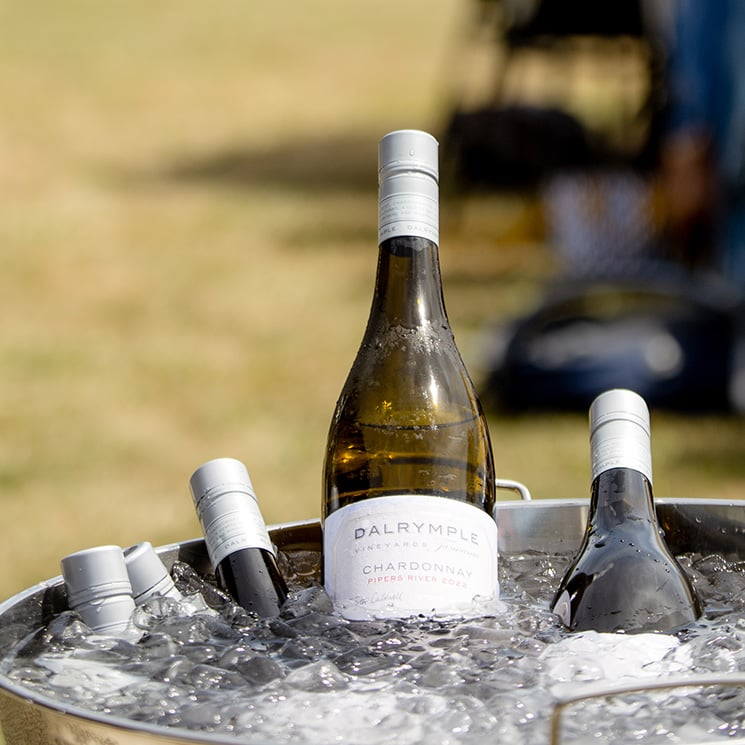
The Dalrymple Single Site Pipers River Chardonnay is an expression of estate-grown fruit, maritime influence and naturally high acidity.  The wine comes from a vineyard surrounded by a patchwork of biodiversity, close to Bass Strait’s cooling sea breezes. This proximity gives the fruit a long ripening period, helping build flavour and texture without losing freshness.  In the glass, Pipers River Chardonnay is not about obvious fruit weight or heavy-handed oak. It is a wine of energy, concentration and restraint. 

The 2022 release opens with grapefruit pith and lemon curd, expanding into lightly roasted nuts and nectarine. The palate is tightly balanced, with natural acidity carrying the wine through a long, precise finish. In youth, the wine is restrained and focused, but with time, the texture builds and complexity develops. 
That is the appeal of Pipers River Chardonnay. 
 
It has brightness, but also shape. It has fruit, but also savoury detail. It has tension, but also depth. The wine’s energy comes from the vineyard, while careful winemaking builds texture and length without overwhelming the fruit. 
The winemaking approach is detailed but restrained. Fruit is hand-picked, whole-bunch pressed and matured in a mix of French oak puncheons and ceramic egg. Lees stirring helps build texture, while malolactic fermentation is used to bring balance and structure.  The result is Chardonnay that feels distinctly Tasmanian and distinctly Pipers River: citrus-driven, textural, mineral-edged and long. 
 
It is a wine for those who value Chardonnay with precision rather than excess. There is richness, but it is controlled. There is oak, but it is supportive. The vineyard remains the centre of the story. 
 

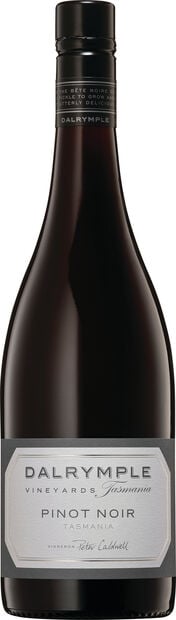
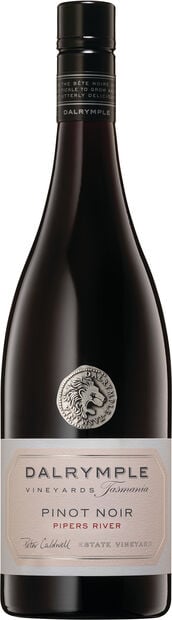
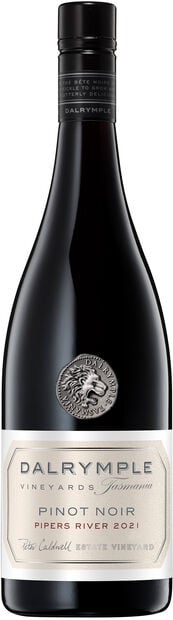
The Dalrymple Single Site Pipers River Pinot Noir 

If the Chardonnay shows Pipers River’s line and energy, the Dalrymple Single Site Pipers River Pinot Noir shows its perfume, savoury detail and fine structure.  This wine is sourced from selected estate blocks protected from cool north-westerly winds by Dalrymple Hill. The vineyard’s proximity to Bass Strait helps moderate growth and ripening, allowing the fruit to reach full flavour maturity while retaining fine natural acidity.  The Pinot Noir vines carry an average age of 25 years, giving the wine depth and composure. The key clones include D5V12 and 777, bringing fruit, spice and aromatic detail to the wine. 
 
In the 2023 release, classic aromas of red cherry and Asian five-spice are joined by plum skin, violets and earthy complexity. The palate shows the hallmark purity of fine acidity that defines Pipers River, framed by silky tannins and balanced by plush black cherry flesh. Cranberry freshness carries the finish. This is Pinot Noir built around detail. 
 
It is not broad or heavy. It is not simply soft red fruit. It has savoury shape, spice, acidity and a long, quietly persistent finish. The wine sits in the space that makes Tasmanian Pinot Noir so compelling: fragrant, fresh, structured and expressive, with enough depth to reward cellaring. The winemaking approach is designed to reveal the vineyard. Fruit is hand-picked and placed into open-top fermenters, with a small portion of whole bunch included and the balance destemmed. Wild fermentation builds complexity, while gentle hand plunging extracts tannin carefully. The wine is then matured in French oak barriques, with a portion of new oak, for 10 months. 
 
Everything is in service of balance. Whole bunch brings shape and savoury lift. Wild ferment brings complexity. Oak provides frame and polish. But the vineyard remains the dominant voice: red cherry, spice, violets, earthy complexity, fine acidity and silky tannin. 
 

Two wines, one vineyard

The Pipers River Chardonnay and Pinot Noir are different expressions of the same place. The Chardonnay speaks through citrus, nectarine, texture, natural acidity and length. The Pinot Noir speaks through cherry, spice, violets, savoury detail, silky tannin and cranberry freshness. 
 
What connects them is the vineyard. Both wines are shaped by Bass Strait’s cooling influence. Both are grown in deep basalt-derived soils. Both carry the benefit of long, slow ripening. Both show the restraint, line and clarity that define Dalrymple’s home site. Together, they offer a fuller picture of Pipers River. Chardonnay reveals the site’s energy and mineral drive. Pinot Noir reveals its perfume and savoury structure. One is bright, textural and precise. The other is fragrant, layered and finely drawn. Both are built on freshness rather than weight. That is the quiet strength of Pipers River. It does not need to shout. It gives wines of detail, patience and proportion. 

Made to reveal the site

Dalrymple’s Single Site wines are made with a clear purpose: to show where they come from. That means the winemaking must be precise, but not dominant. Each decision is made to support the vineyard expression rather than impose a house style across every site. For Chardonnay, this means hand-picking, whole-bunch pressing, careful oak use, ceramic egg maturation and texture-building through lees work. The aim is to preserve energy and acidity while giving the wine depth and shape. 

For Pinot Noir, this means hand-picking, wild fermentation, gentle extraction, considered whole-bunch use and maturation in French oak barriques. The aim is to capture perfume, savoury complexity, fine tannin and natural acidity. The result is two wines that feel connected but not identical. They are siblings rather than twins. Each carries the same Pipers River origin, but each variety interprets that origin in its own way. 
 

Food pairing and cellaring 

The Dalrymple Single Site Pipers River Chardonnay is well suited to dishes that bring richness, savoury detail and freshness. Its citrus drive, texture and natural acidity make it a strong match for creamy scallop risotto with pine nuts and fresh peas, or smoky sweet potato salad with pine nuts and fresh nectarine slices. The wine has the energy to cut through richness, but enough depth to sit comfortably alongside more layered dishes. With careful cellaring, the Chardonnay will continue to develop complexity, texture and savoury depth over time. 

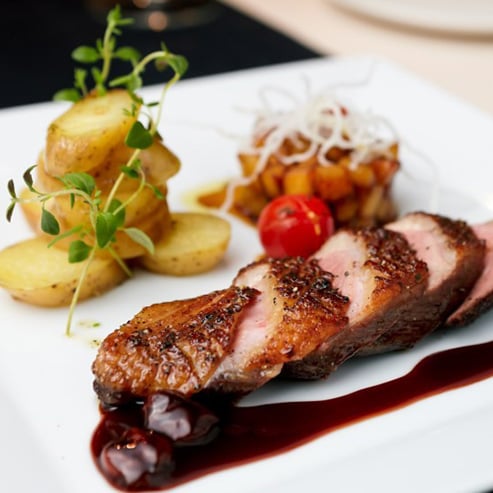
The Dalrymple Single Site Pipers River Pinot Noir is built for food with savoury richness and earthy detail. Its fine acidity, silky tannins and cranberry freshness make it a natural match for grilled duck breast with plum sauce, sautéed potatoes and portobello mushrooms. For a plant-based option, spicy braised jackfruit and mushrooms with potato mash works beautifully with the wine’s spice, fruit and savoury structure. With careful cellaring, the Pinot Noir will continue to evolve, building further complexity while retaining the freshness and line that define Pipers River. 


Visiting Dalrymple at Pipers River 

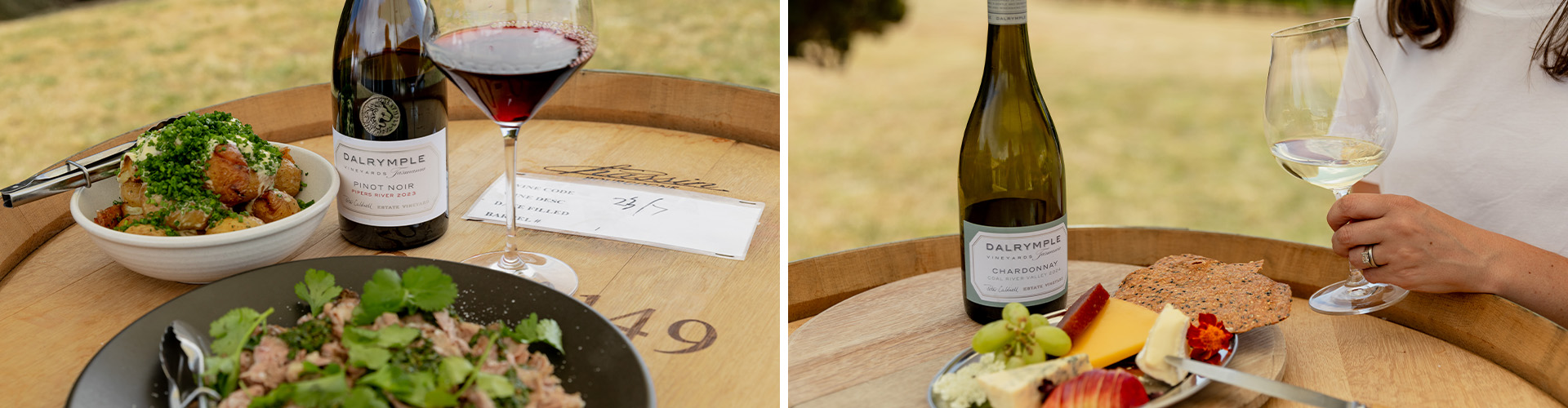
Pipers River is not just a name on the bottle. It is a place you can visit. Dalrymple’s vineyard, winery and tasting room are located at Pipers River, giving guests the opportunity to experience the landscape behind the wines. Tastings are by appointment and subject to seasonal opening hours and availability, so bookings are essential. A visit to Dalrymple is a chance to taste Peter Caldwell’s wines in the place they are grown, and to explore the stories behind the Single Site range. It is one thing to read about Bass Strait, Dalrymple Hill and the vineyard’s cooling maritime influence. It is another to stand at Pipers River and feel the site for yourself. 
 
Each February, Dalrymple also hosts Dalrymple Unearthed, an annual event that brings guests closer to the vineyard, the wines and the people behind them. It is a celebration of place, provenance and cool-climate Tasmanian wine, held at the home of Dalrymple in Pipers River. For those who want to understand these wines beyond the glass, Pipers River is the place to begin. 

 
A small-batch expression of Dalrymple’s home ground 

Pipers River captures what makes Dalrymple’s Single Site wines so compelling.  It is small batch. It is site-specific. It is rooted in a real place, one that can be visited, walked and understood. It shows that Tasmania’s wine story is not defined by a single style, but by the many distinct vineyard expressions found across the island. 

From the inland extremes of Ouse to the cool influence of Pipers River, the structure of Coal River, the prestige of Mt. Lord and the coastal brightness of Swansea, Dalrymple is exploring the next layer of Tasmanian wine. Pipers River is central to that story. 

It is Dalrymple’s home vineyard. It is where sea breeze, slope, basalt-derived soil and patient ripening come together. It is where Chardonnay and Pinot Noir each reveal a different side of the same site. 
One vineyard, two varieties, and a clear expression of place.